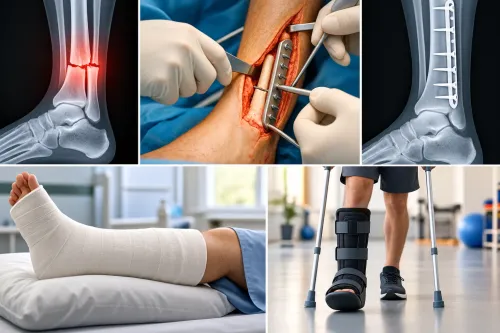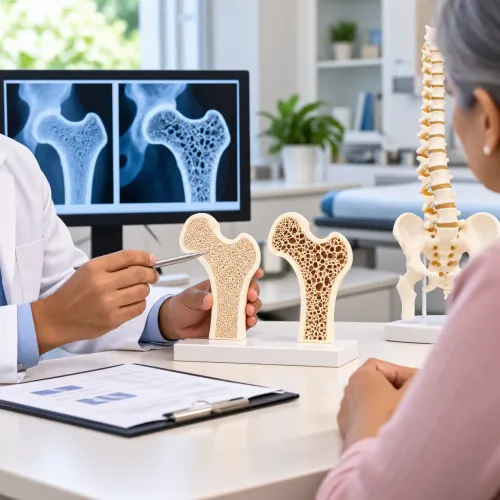
You may arrive with pain, an old scan, a recent injury, or uncertainty about whether you need treatment at all. By the end of the appointment, you should know what the examination found, whether testing is useful, which treatment options fit your condition, and what needs to happen next.
Key takeaways
- Bring medication lists, prescriptions and original scan files to your appointment.
- Expect questions about pain, injury, movement, work, sport and previous treatment.
- Ask why each scan or blood test is needed before agreeing to it.
- Seek urgent care for severe injury, loss of movement, numbness or a cold limb.
Registration, Triage and the Questions About Your Symptoms
Before the physical examination, registration confirms your identity, appointment details and reason for visiting. Bring an identification document, insurance details if required, previous prescriptions, medication list, and the original X-ray, MRI or CT files rather than only the written reports.
- At triage, staff record your pain score, temperature and immediate concerns. Tell them at once if you have an open wound, severe deformity, loss of sensation, a cold or pale limb, uncontrolled bleeding, or sudden inability to move it. These signs can require urgent treatment before a routine consultation.
- The doctor asks when the problem began, whether an injury caused it, and which movement makes it worse. Describe pain location, severity, swelling, stiffness, clicking or instability in your own words.
- You will also be asked about previous injuries or operations, fever, medical conditions, medicines, and treatments already tried. Explain how the problem affects walking, work, sleep, exercise or sport.
- The doctor reviews your reports and compares them with your symptoms. A scan is not automatic: a normal X-ray does not rule out every tendon, ligament, cartilage or early stress injury, and further testing is useful only when it could change treatment.
This focused history is the practical starting point for what happens at an orthopedic consultation in Noida. An orthopedic consultation in Noida does not automatically lead to surgery or even immediate imaging; the examination comes next.
The Orthopaedic Examination: What the Doctor Checks
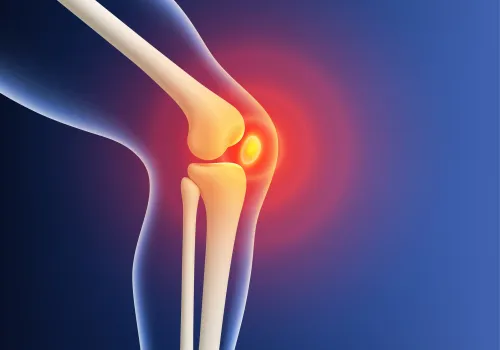
The orthopedic examination process is a focused check of the painful area, its movement and the structures that could be causing symptoms. During a bone joint consultation, the doctor compares both sides and looks for swelling, bruising, deformity, redness, muscle wasting or changes in posture.
1. The doctor observes how you stand, walk, sit and use the affected limb. A limp points to a different problem than shoulder pain that appears only when you raise your arm.
2. The doctor palpates bones, joints, muscles, tendons and ligaments to locate tenderness, warmth, a fluid collection or a gap after injury. Localised bone tenderness raises a different concern from pain along a tendon.
3. You move the joint yourself, then the doctor may move it while you relax. This distinguishes stiffness, pain-limited movement and mechanical blockage; the doctor also checks muscle strength and selected ligament, tendon or spine manoeuvres.
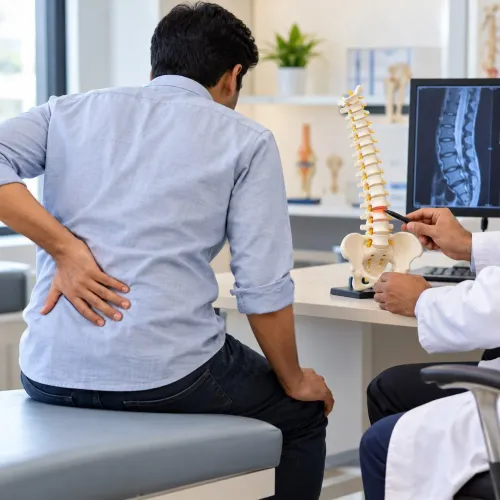
4. For back or neck complaints, the examination may include posture, spinal movement, leg or arm strength, sensation and reflexes. After a fracture or major injury, the doctor checks skin, pulses, sensation and movement before focusing on stabilisation and further treatment.
A normal examination or X-ray does not rule out every tendon, ligament, cartilage or early stress injury. The findings determine whether observation, treatment, imaging or urgent referral is the sensible next step; a scan is not automatic.
When You Need an X-ray, MRI, CT Scan or Blood Test
A scan is useful only when its result could change the diagnosis or treatment. During a bone joint consultation, the doctor first matches your symptom history with examination findings: injury mechanism, tenderness, swelling, movement, strength, stability, gait and functional loss.
The decision commonly depends on:
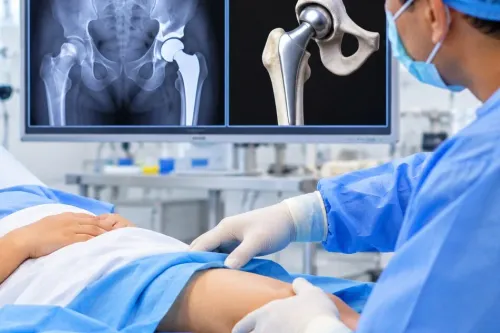
- Suspected fracture after an acute injury: an X-ray is usually the starting test. For ankle or mid-foot trauma, tenderness over specified malleolar or mid-foot bones or inability to take four steps supports radiographs under the Ottawa ankle and foot rules. Deformity, an open wound or loss of circulation needs urgent assessment.
- Suspected ligament, tendon, cartilage, marrow or occult-fracture injury: MRI may clarify a problem that an X-ray cannot show.
- Complex or detailed bone injury: CT can define fracture lines and joint surfaces, but radiation makes it unsuitable as a routine substitute for every painful joint examination.
- Possible infection, inflammatory arthritis, anaemia or another systemic condition: blood tests can add evidence when symptoms and examination point beyond a local mechanical problem.
A normal X-ray does not rule out an early stress injury, nondisplaced fracture, tendon or ligament tear, or cartilage damage. The doctor may recommend MRI, repeat examination or follow-up instead of ordering every scan immediately.
At an orthopedic consultation in Noida, bring original scan images or digital files, not only reports, plus previous laboratory results and your medication list.
Understanding the Diagnosis and Your Treatment Choices
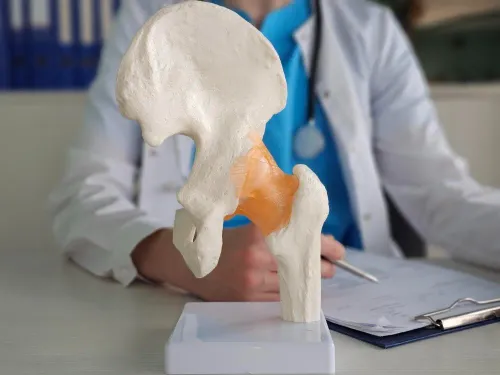
The examination findings are turned into a working diagnosis, not just a scan label. The doctor explains which bone, joint, tendon, ligament or nerve appears involved, how certain that conclusion is, and whether an X-ray, MRI or blood test would change the plan.
A normal X-ray does not rule out an early stress injury, tendon tear, cartilage problem or nondisplaced fracture.
You should leave knowing what happens at an orthopedic consultation in Noida after the physical assessment: the doctor connects the diagnosis to your symptoms and daily limitations, then compares treatment choices. Non-operative care may include activity modification, exercises or physiotherapy, ice or heat where appropriate, a brace or walking aid, and medication.
Prolonged immobilisation can cause stiffness and weakness, so it is not automatically the safest choice.
Ask these questions before agreeing to a procedure:
- What is the working diagnosis, and what finding supports it?
- What happens if I try physiotherapy, medication or activity changes first?
- What improvement should I expect, and by when?
- What are the procedure’s risks, recovery time and alternatives?
- Is surgery urgent, time-sensitive or elective?
- What symptoms or test results would change the recommendation?
Surgery is discussed when it offers a clear benefit over non-operative care, such as stabilising a dangerous injury, repairing major damage or relieving persistent loss of function. For an open fracture, compromised blood flow or loss of sensation, immediate stabilisation or emergency referral takes priority over a routine treatment debate.
Follow-Up, Urgent Symptoms and Choosing Your Next Step
Before leaving, get a written plan: the working diagnosis, medicines and duration, permitted activity, exercises or physiotherapy, warning signs, and the date or condition for review. Ask whether you need to bring scan images, complete blood tests, or stop any medicine before the next visit.
- Take previous X-rays, MRI or CT files, not only the written report.
- Follow activity limits, but do not immobilise a joint longer than instructed; stiffness and weakness can result.
- Contact the clinic if pain, swelling, walking ability or function worsens instead of waiting for the scheduled review.
| Situation | Best next step | Why it matters |
|---|---|---|
| Routine improvement | Follow the plan and attend the advised review | Progress can be checked without repeating tests |
| Unclear diagnosis, conflicting advice, or proposed irreversible surgery | Seek a second opinion using the original images and reports | The second doctor can compare the examination with the actual study |
| Sudden numbness or loss of circulation, deformity, open fracture, rapidly worsening severe pain or swelling | Go to emergency care immediately | Waiting for an appointment risks permanent damage |
New bladder or bowel loss, saddle numbness, or increasing leg weakness with back pain also requires emergency assessment. A normal X-ray does not rule out a tendon, ligament, cartilage, stress or nondisplaced fracture problem.
When searching for an orthopedic consultation in noida or an orthopaedic doctor near me, confirm that the follow-up plan explains what change should trigger an earlier review. Dr.A.K.Sharma-Ortho & joint replacement surgeon is one clinician patients may include in that comparison.
Frequently asked questions
What should I bring to an orthopaedic consultation in Noida?
Bring an identification document, appointment details, insurance information if required, previous prescriptions, a current medication list and original X-ray, MRI or CT files. Do not rely only on written scan reports.
What happens during an orthopaedic examination?
The doctor reviews your symptoms and medical history, then checks the painful area, movement, strength, swelling, tenderness, alignment and joint stability. The examination depends on the body part and suspected condition.
Will I need an X-ray, MRI, CT scan or blood test?
The doctor orders tests when the examination and medical history show that imaging or laboratory results could clarify the diagnosis or guide treatment. Ask what each test is intended to show and how its result will change your care.
What should I ask after receiving an orthopaedic diagnosis?
Ask what structure is affected, which treatment options are available, how long recovery may take, what activities to avoid, when follow-up is needed and which symptoms require urgent attention.
Keywords